A growing political and legal debate has emerged in British Columbia over the handling of the Declaration on the Rights of Indigenous Peoples Act (DRIPA). The issue has drawn strong criticism from a senior legal expert, even as the provincial government steps back from proposed changes to the law.
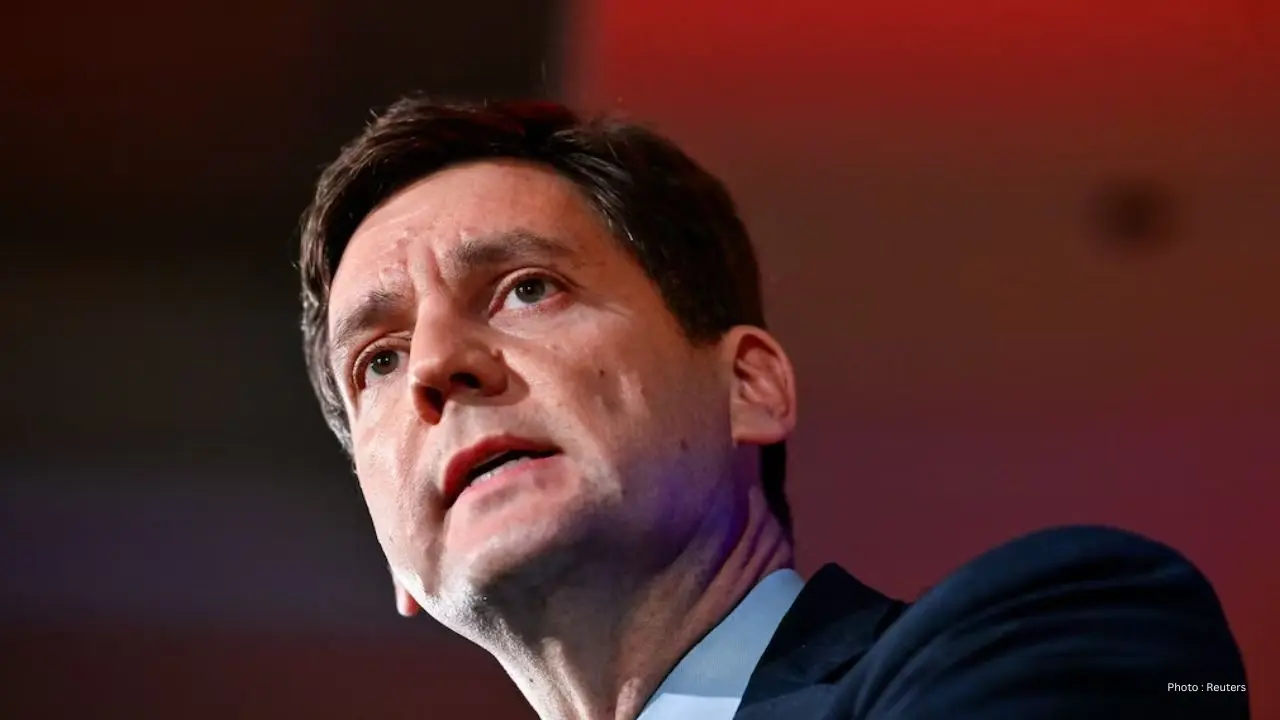
Premier David Eby announced that his government will not move forward with plans to suspend or amend key parts of DRIPA during the current legislative session. The decision came after discussions with the First Nations Leadership Council, with both sides agreeing to work together on a path forward.
The government said it remains committed to protecting the rights and title of Indigenous communities while also addressing legal concerns related to the legislation. Officials have promised further consultations and discussions before any future action is taken, possibly later in the year.
However, the move has been sharply criticised by Geoffrey Moyse, a King’s Counsel and former advisor on Aboriginal law. Moyse described the situation as highly problematic and said he had “never seen this level of ineptitude and incompetence” during his decades of experience working with government.
According to Moyse, DRIPA, which was introduced in 2019, has created a complex legal framework layered over existing provincial laws. He argued that the way the government has handled the situation raises serious concerns about governance and decision-making.
One of his main concerns is the role of Indigenous leadership groups in shaping policy. Moyse claimed that the current approach suggests a form of shared governance between the provincial government and First Nations leaders, which he believes could raise constitutional questions.
Premier Eby acknowledged that DRIPA has been one of the most challenging issues he has faced in government. He admitted that earlier decisions may not have been correct and said his priority now is to find a solution through cooperation rather than conflict.
The debate highlights the difficulty of balancing Indigenous rights, legal frameworks, and public policy. While some leaders support collaboration and dialogue, others are questioning how decisions are being made and whether the current process is effective.
Overall, the situation remains unresolved, with further discussions expected in the coming months. The outcome could have a significant impact on governance, Indigenous relations, and legal policy in British Columbia.