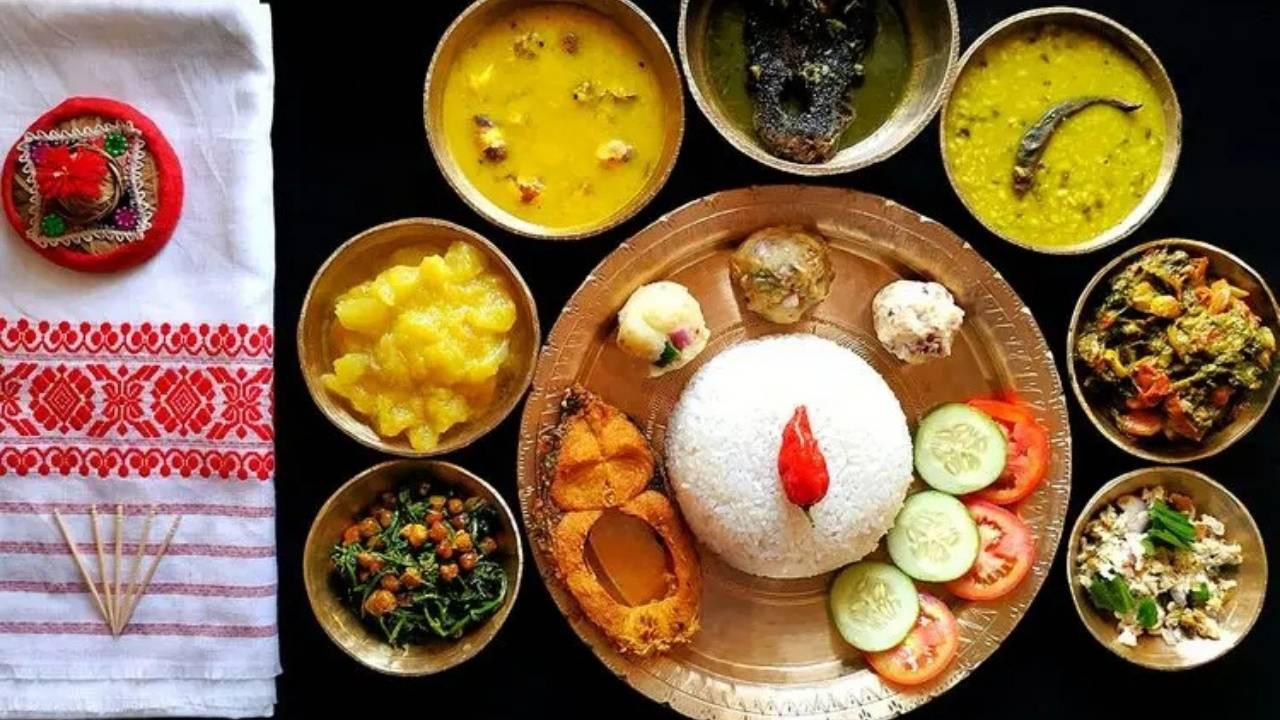
For decades, the culinary scene of India has been predominantly shaped by North Indian, South Indian, and Mughlai flavors. Recently, however, an inspiring transformation has emerged from a less-traveled region—the Northeast, particularly Assam. Once overlooked, this regional cuisine is now gaining prominence in fine dining, food festivals, and global conversations.
A new wave of chefs, entrepreneurs, and cultural advocates from Assam is reviving its culinary richness. Utilizing innovative approaches, sustainable practices, and storytelling, they are turning indigenous food into a universal movement.
This evolution is about more than cuisine; it reflects cultural pride, heritage, and community identity. Assam’s culinary offerings are finding their place at the global table.
As the quest for genuine culinary experiences grows, Assam’s food landscape provides:
This rich flavor spectrum sets it apart from typical Indian offerings, attracting chefs and food enthusiasts worldwide.
With global discussions revolving around sustainability, Assam has been embracing these concepts for generations.
are now popular among chefs and culinary explorers, aligning with health and wellness trends.
Chefs Pioneering Assam's Culinary Revolution
A wave of passionate chefs is steering this culinary renaissance. While their names may differ, their unified effort is bringing Assamese cuisine to the forefront. They're not just cooks—they're curators, innovators, and advocates of their culinary heritage.
Modern Assamese Dining: Tradition Meets Innovation
1. Transforming Traditional Ingredients with Modern Techniques
Chefs are revamping classic ingredients like tender bamboo shoots and fermented soybeans through techniques such as:
This modern approach enhances rustic flavors while staying true to their origins.
2. Dining with a Narrative
Experiences often include:
-
Folklore-themed menus
-
Specialty dishes paying homage to local tribes
-
Storytelling around ingredient sourcing
-
Presentation inspired by local landscapes
-
Menus celebrating seasonal changes
This immersive experience allows diners to savor not just food but a story.
3. Balanced Fusion Cuisine
Rather than replicating global tastes, chefs are crafting Assam-centric fusion dishes:
-
Bamboo shoot risotto
-
Joha rice sushi
-
Smoked pork with black sesame
-
Tenga broth infused with Mediterranean herbs
-
Bamboo-steamed dim sum with Assamese fillings
This fusion is intentional, respectful, and flavor-forward.
Digital Platforms Catalyzing Assam's Culinary Exposure
1. Global Recognition for Assam's Food Creators
Chefs and home cooks are harnessing:
-
YouTube
-
Instagram
-
Short video formats
-
Food travel vlogs
to showcase Northeast flavors. Viral videos featuring fermented delicacies and tribal feasts have sparked interest worldwide.
2. Preserving Culinary Heritage through Documentation
Digital content creators are documenting:
-
Traditional cooking methods
-
Rare recipes
-
Indigenous culinary techniques
-
Lost food rituals
-
Cuisine tied to local festivals
This effort is drawing interest from cultural researchers worldwide.
3. Emerging International Collaborations
Chefs from Assam are engaging in:
-
International pop-up events
-
Partnerships with fusion restaurants
-
Workshops on fermentation techniques
-
Participation in global culinary festivals
These activities introduce Assam’s culinary traditions to an audience eager for authentic regional depth.
Tourism's Role in Elevating Culinary Recognition
1. Emergence of Food Tourism Packages
Tourism boards and agencies are promoting:
-
Culinary trails through tea estates
-
Home-cooked Assamese meals
-
Cuisine tours focused on fish and tenga
-
Traditional tribal dining experiences
-
Workshops on smoke-house cooking
Such engagements provide hands-on experiences, fostering global appreciation.
2. Leveraging Tea Culture
Assam tea’s global reputation plays to its advantage:
This approach merges familiarity (tea) with the novelty of local cuisine.
3. Growth of Northeast-Led Homestay Experiences
Homestays provide guests with authentic meals from local families, an attractive alternative to traditional dining.
1. A Harmonious Blend of Simplicity and Flavor
Assamese dishes are characterized by:
This straightforward approach appeals to international palates favoring healthier options.
2. The Art of Fermentation
Fermented foods are central to Assamese cuisine, featuring:
-
Bamboo shoots
-
Rice beer
-
Fish
-
Soybean
-
Leafy vegetables
Such techniques are becoming increasingly popular on the global culinary scene, drawing interest to Assam.
3. Unique Smoke Flavors
Smoky offerings, particularly meats and fish, are sought after globally. Assam's wood-smoked pork and river fish are particularly appreciated for their depth and authenticity.
4. Indigenous Herbs and Greens
Herbs like:
-
Manimuni
-
Bhedailota
-
Roselle leaves
-
Lai xaak
-
Naga basil
add unique flavors not found elsewhere.
Chefs Promoting Assam Globally: Their Techniques and Philosophy
1. Honoring Ancestral Methods
Contemporary chefs embrace traditions while adapting them for modern kitchens, striving to maintain the essence of the cuisine.
2. Ingredient-Driven Culinary Focus
Local produce takes the spotlight in Assamese menus, guiding the culinary vision.
3. Nature-Inspired Minimalist Presentation
Plating often evokes the beauty of:
-
Forests
-
Paddy fields
-
Riverbeds
-
Monsoon skies
-
Tea estates
This aesthetic deepens the narrative being told through the dishes.
4. Cross-Cultural Collaborations with Other Asian Cuisines
Partnerships with chefs from:
-
Thailand
-
Vietnam
-
Korea
-
Japan
-
Malaysia
highlight shared practices in fermentation and light cooking styles, providing Assamese cuisine a relatable Asian identity.
Challenges Encountered by Assamese Chefs
1. Misunderstandings and Limited Awareness
Many outsiders are not familiar with Assam's culinary heritage. Changing perceptions requires time and exposure.
2. Ingredient Availability Constraints
Chefs often face challenges replicating authentic tastes due to limited ingredient access. Innovation with substitutes is necessary, while keeping authenticity intact.
3. Investment and Infrastructure Needs
For global success, Assam requires improvements in:
4. Representation in International Indian Restaurants
Most Indian eateries abroad primarily serve North Indian food. Chefs from Assam must exert more effort to gain visibility.
The Future of Assamese Cuisine Globally
1. Establishing Assamese Restaurants Worldwide
More chefs plan to establish Assamese-centered establishments in:
-
Singapore
-
Dubai
-
London
-
New York
-
Bangkok
These locations are known for celebrating Asian gastronomy, providing a perfect stage for Assam's culinary offerings.
2. Global Gourmet Shops Offering Indigenous Goods
Products like:
-
Kaji nemu powder
-
Preserved smoked pork
-
Fermented bamboo shoots
-
Joha rice
-
Local teas
-
Tribal spice mixes
are positioned for export opportunities.
3. Recognition of Northeast Techniques in Culinary Education
Upcoming chefs will be trained in:
-
Tribal cooking methods
-
Foraging practices
-
Fermentation techniques
-
Smoke cooking techniques
-
Bamboo cooking arts
Positioning Assam in the global culinary education arena can be beneficial.
4. Inclusion in Food Storytelling Platforms
Streaming services and global food networks are increasingly featuring the Northeast, enhancing exposure.
Conclusion
The journey of Assam’s cuisine from local kitchens to an international stage embodies resilience, identity, and innovation. The chefs here are more than just food preparers—they’re culture bearers, storytellers, and revivers of lost flavors introducing the world to exceptional tastes deserving recognition.
The emergence of Assamese cuisine signals a burgeoning movement that celebrates authenticity, sustainability, and regional heritage. With ongoing innovation and representation, Assam's culinary traditions are poised to secure their rightful spot in global gastronomy.