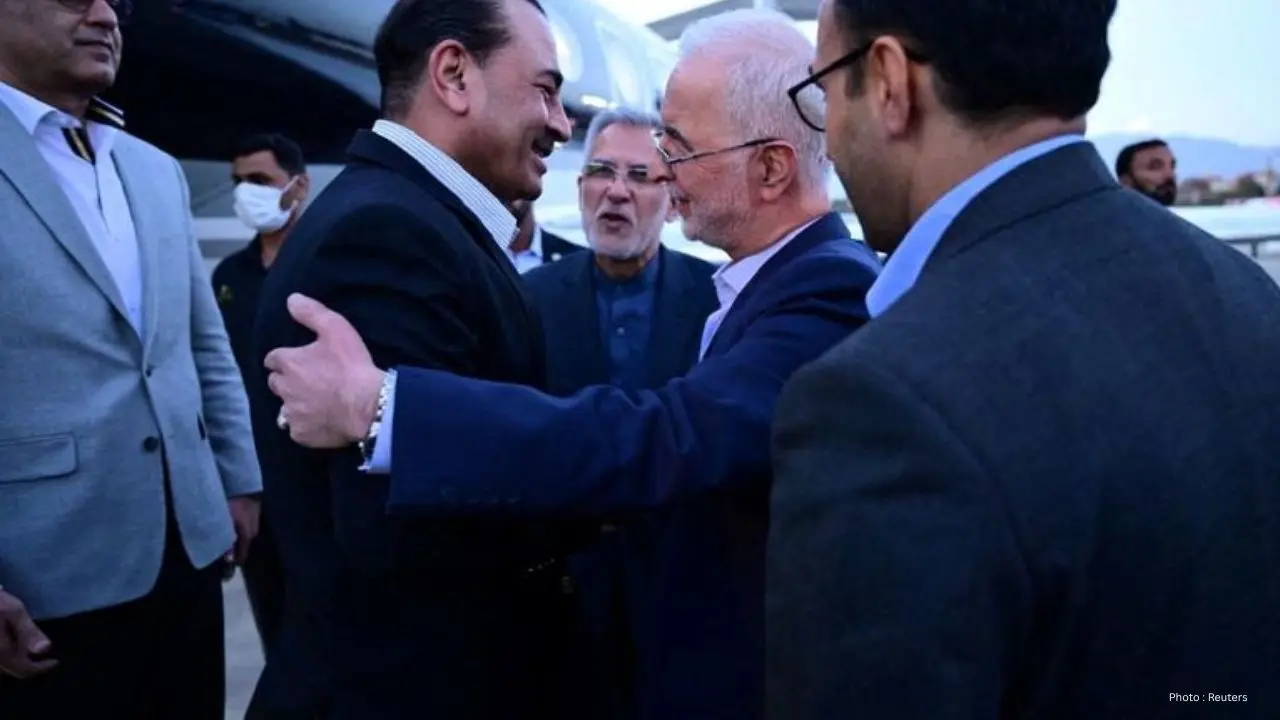
Pakistan Army Chief Asim Munir held important talks with Iranian Foreign Minister Abbas Araghchi in Tehran amid growing tensions between the United States and Iran. The meeting took place at a sensitive time as diplomatic efforts continue to prevent a wider conflict in the Middle East. Officials from both countries discussed regional security, ongoing peace efforts and ways to reduce tensions between Washington and Tehran.
According to reports, the meeting focused on recent developments in the Middle East and possible diplomatic solutions to avoid further military escalation. Pakistan has recently increased its role as a mediator between the United States and Iran, with Islamabad trying to support peace talks and maintain stability in the region. Reports said Asim Munir’s visit to Tehran is part of Pakistan’s broader diplomatic outreach aimed at encouraging dialogue between both sides.
Iran and the United States have remained in conflict over several major issues, including Iran’s nuclear programme, sanctions and security concerns in the Gulf region. Talks between both countries have slowed in recent weeks, while tensions around the Strait of Hormuz and fears of possible military action have increased global concern. Several countries, including Pakistan and Qatar, are now trying to help restart diplomatic discussions before the situation becomes more serious.
During the meeting, Iranian officials reportedly discussed ongoing diplomatic efforts and the possibility of future negotiations with the United States. While Iran has publicly maintained a tough position on sanctions and nuclear issues, officials have also signalled that diplomatic communication channels remain open through mediators. Pakistan has emerged as one of the countries helping both sides remain engaged in indirect talks.
The meeting between Asim Munir and Abbas Araghchi also reflects the growing importance of Pakistan’s role in regional diplomacy. Pakistan shares borders and strong relations with Iran while also maintaining strategic ties with the United States and Gulf countries. Analysts believe Islamabad is trying to balance these relationships carefully while preventing instability in the region from affecting South Asia and global energy markets.
Reports said the discussions also included regional security concerns, trade routes and the overall situation in West Asia. The diplomatic engagement comes as international leaders continue efforts to avoid a larger regional conflict that could impact oil supplies, shipping routes and economic stability across several countries.